Static Web Development
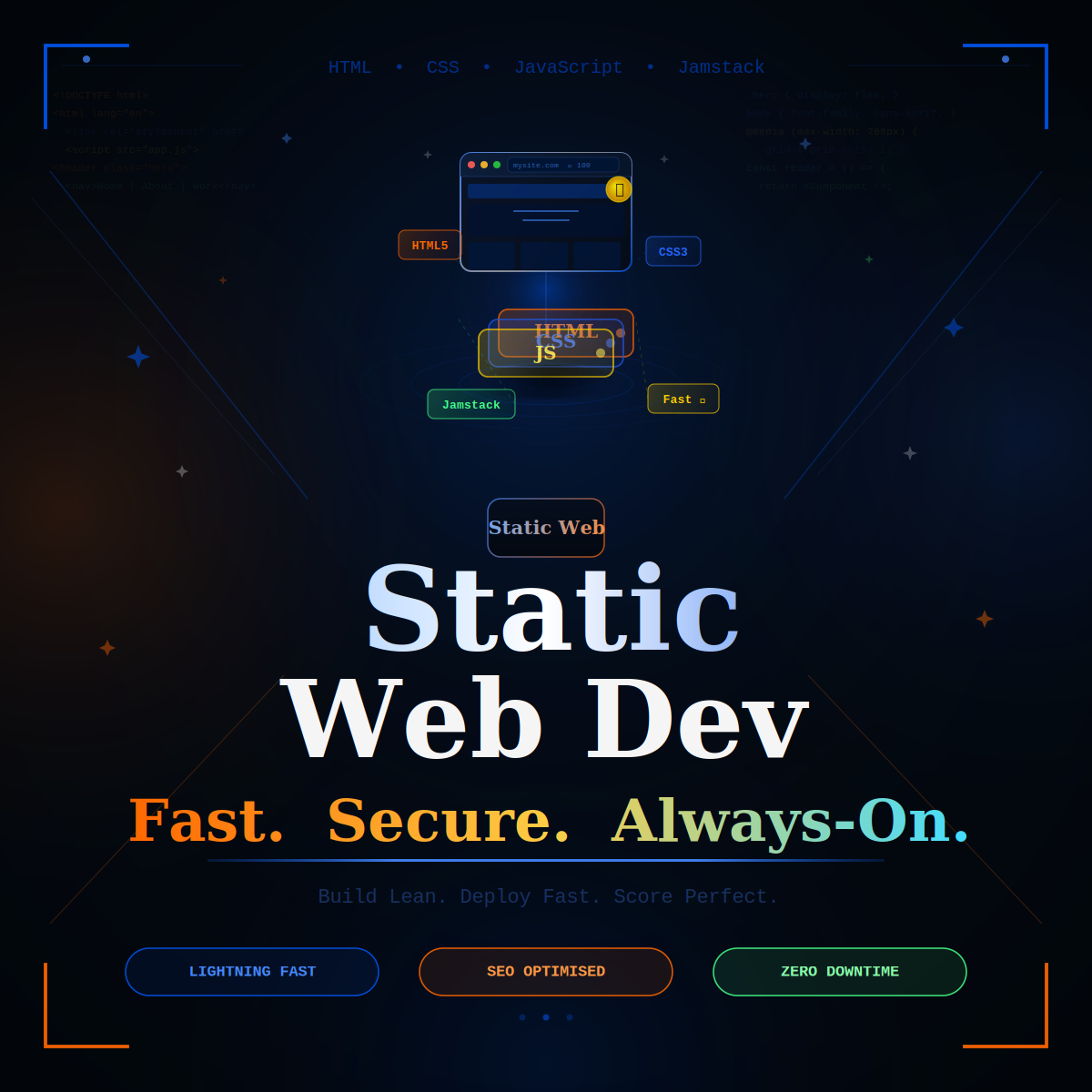
Static Web Development is the art of building high-performance websites where every page is pre-rendered and served exactly as stored, without the need for real-time database processing. In 2026, it has seen a massive resurgence through the Jamstack architecture, offering unparalleled speed, ironclad security, and nearly infinite scalability. By decoupling the front-end from the back-end, static sites eliminate traditional vulnerabilities like SQL injections and provide a “lightning-fast” user experience that search engines—and impatient humans—absolutely crave. It’s the digital equivalent of a finely tuned racing machine: stripped of all unnecessary weight to deliver pure, unadulterated performance.
Dynamic Web Development
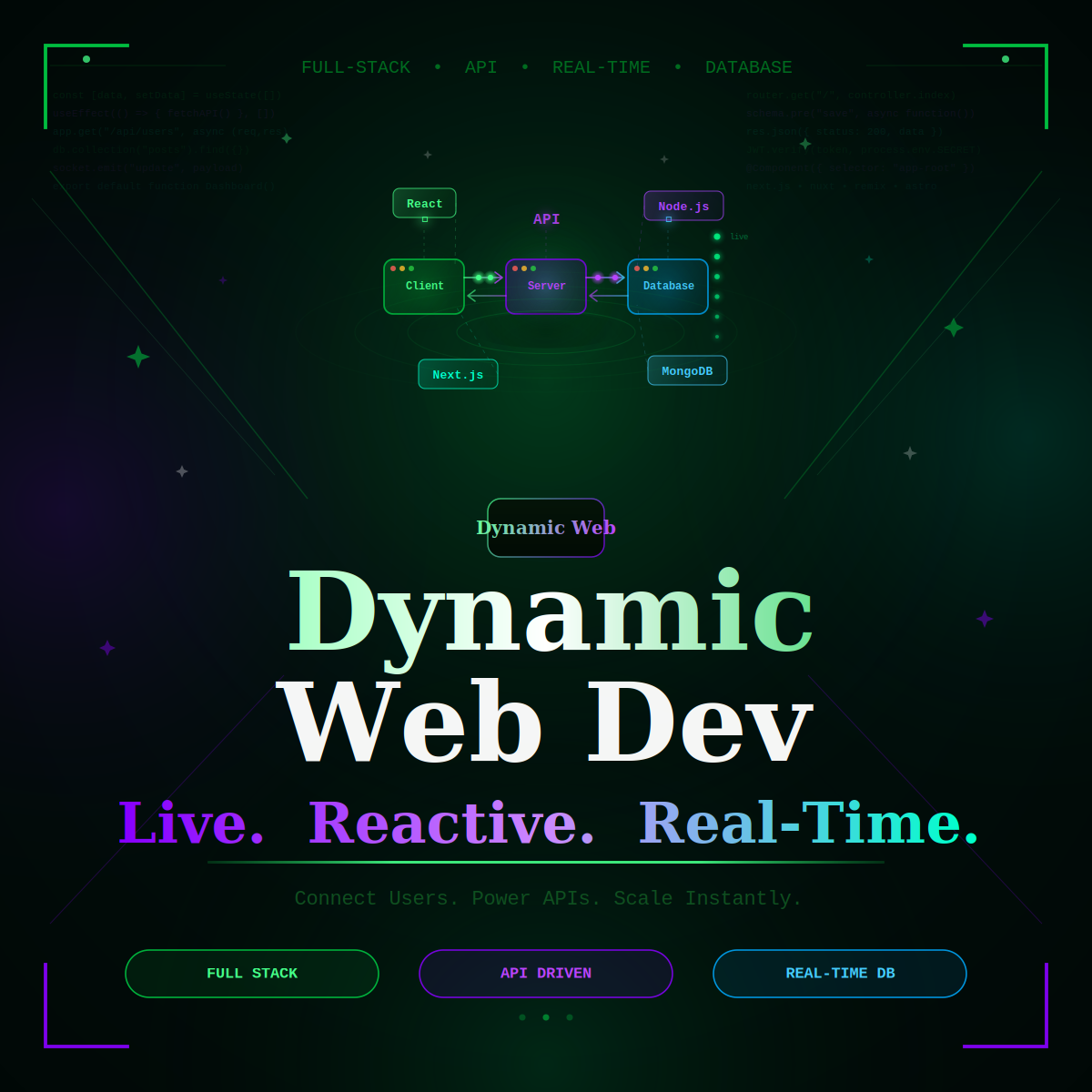
Dynamic Web Development is the engine of the interactive internet, where every page is built on the fly to deliver a truly personalized experience. Unlike static sites, dynamic builds communicate with live databases and external APIs in real-time, allowing for features like member portals, live search results, and complex e-commerce checkouts. In 2026, it is the essential framework for any platform that requires frequent updates or unique user sessions, transforming a standard website into a functional tool that can manage thousands of products or user profiles from a single, centralized dashboard.
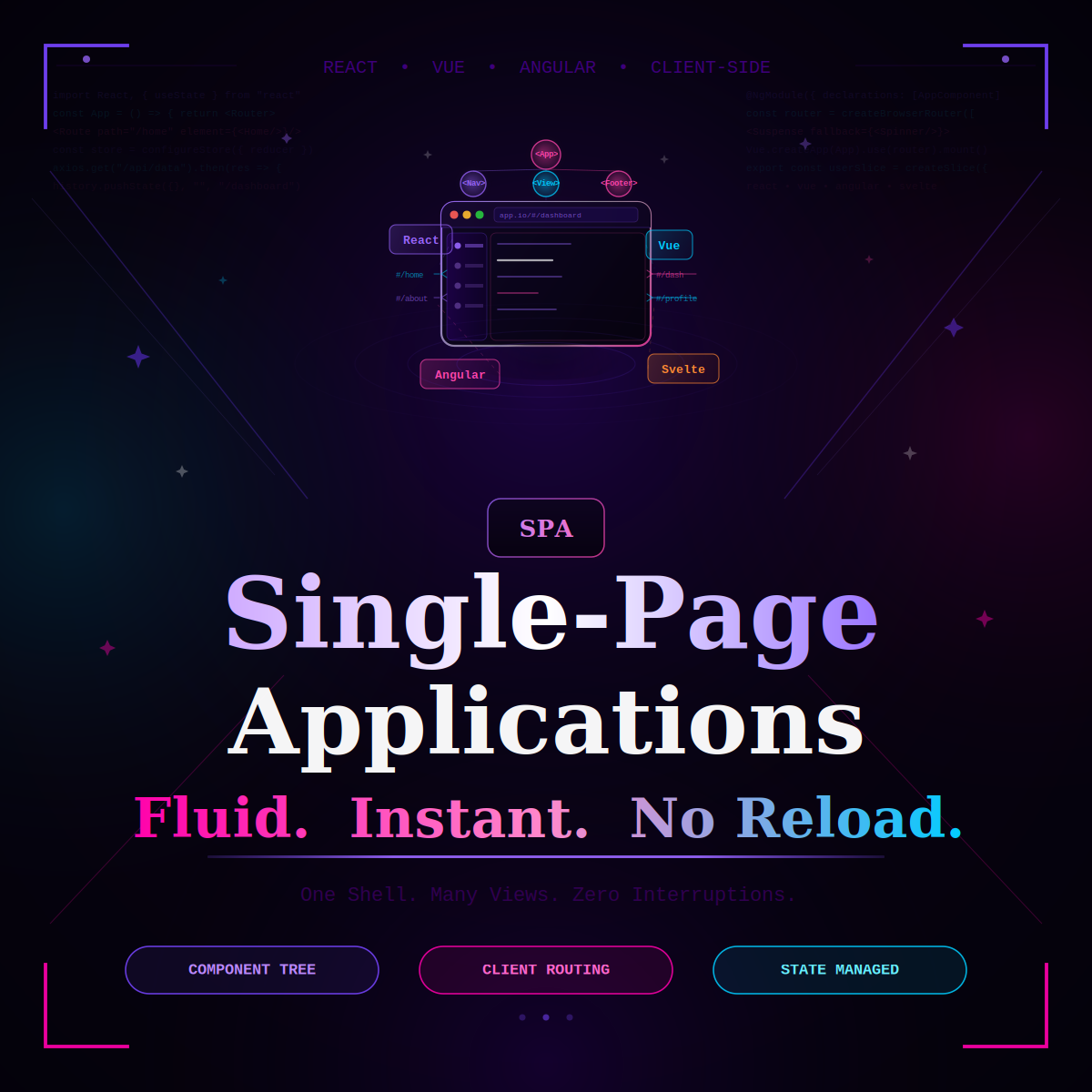
Single-Page Applications (SPA)
A Single-Page Application (SPA) is a web-based powerhouse designed to mimic the fluid, lightning-fast experience of a native mobile app within a browser. Unlike traditional sites that refresh the entire page with every click, an SPA loads a single “shell” and dynamically swaps out content as needed. In 2026, this architecture is the preferred choice for interactive platforms where user flow is everything—think of it as a smooth, continuous conversation rather than a series of disconnected statements.
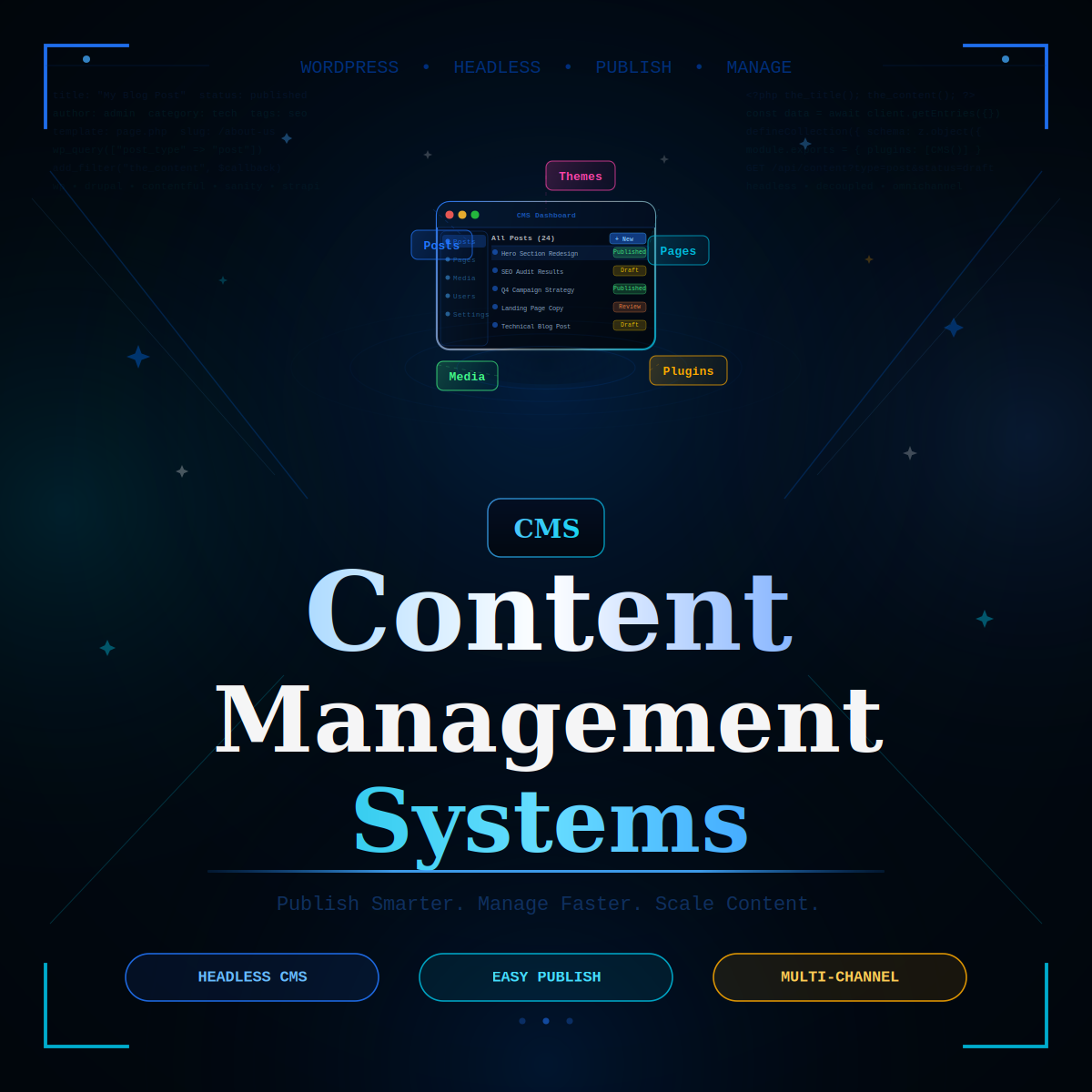
Content Management Systems (CMS)
Content Management System (CMS) is the vital bridge between complex backend code and user-friendly control, allowing businesses to create, edit, and publish digital content without touching a single line of script. In 2026, these platforms have evolved into “Headless” and “AI-First” ecosystems, where a single piece of information is treated as a modular asset that can be pushed to a website, a mobile app, or an AI search engine simultaneously. It is the central nervous system of a brand’s digital presence, transforming a static site into a living asset that can be managed by anyone—from a marketing intern to a business owner—with total creative autonomy.
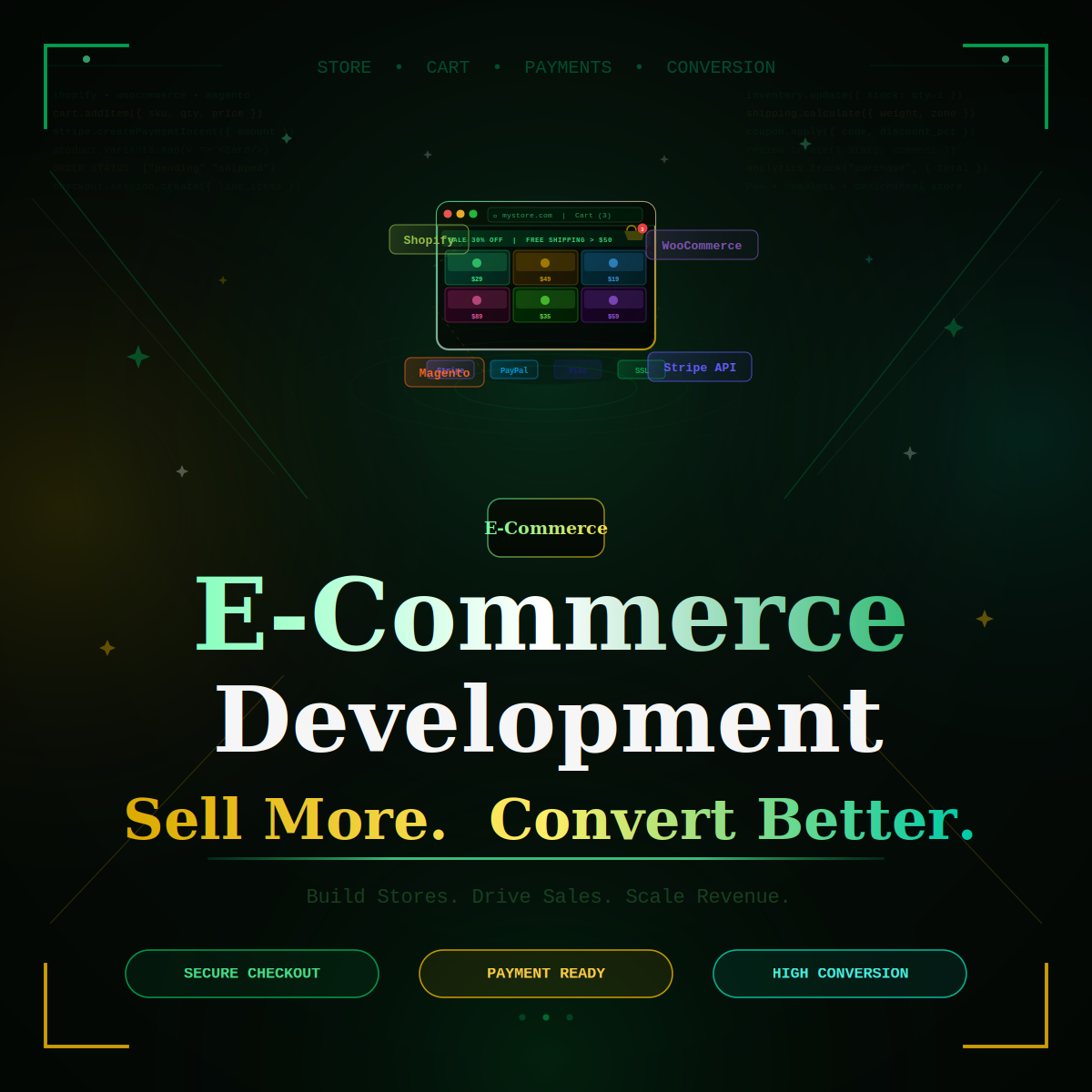
E-commerce Development
E-commerce Development is the engineering of a digital storefront where seamless user experience (UX) meets robust operational logic. In 2026, it has moved beyond a simple “add-to-cart” button into a frictionless ecosystem that must handle complex real-time tasks—like AI-driven product recommendations, dynamic tax calculations, and global logistics—all within milliseconds. By building a store that is as fast as it is intuitive, you transform a passive catalog into a 24/7 “silent salesman” capable of converting international traffic into loyal, repeat customers.
Progressive Web Apps (PWA)
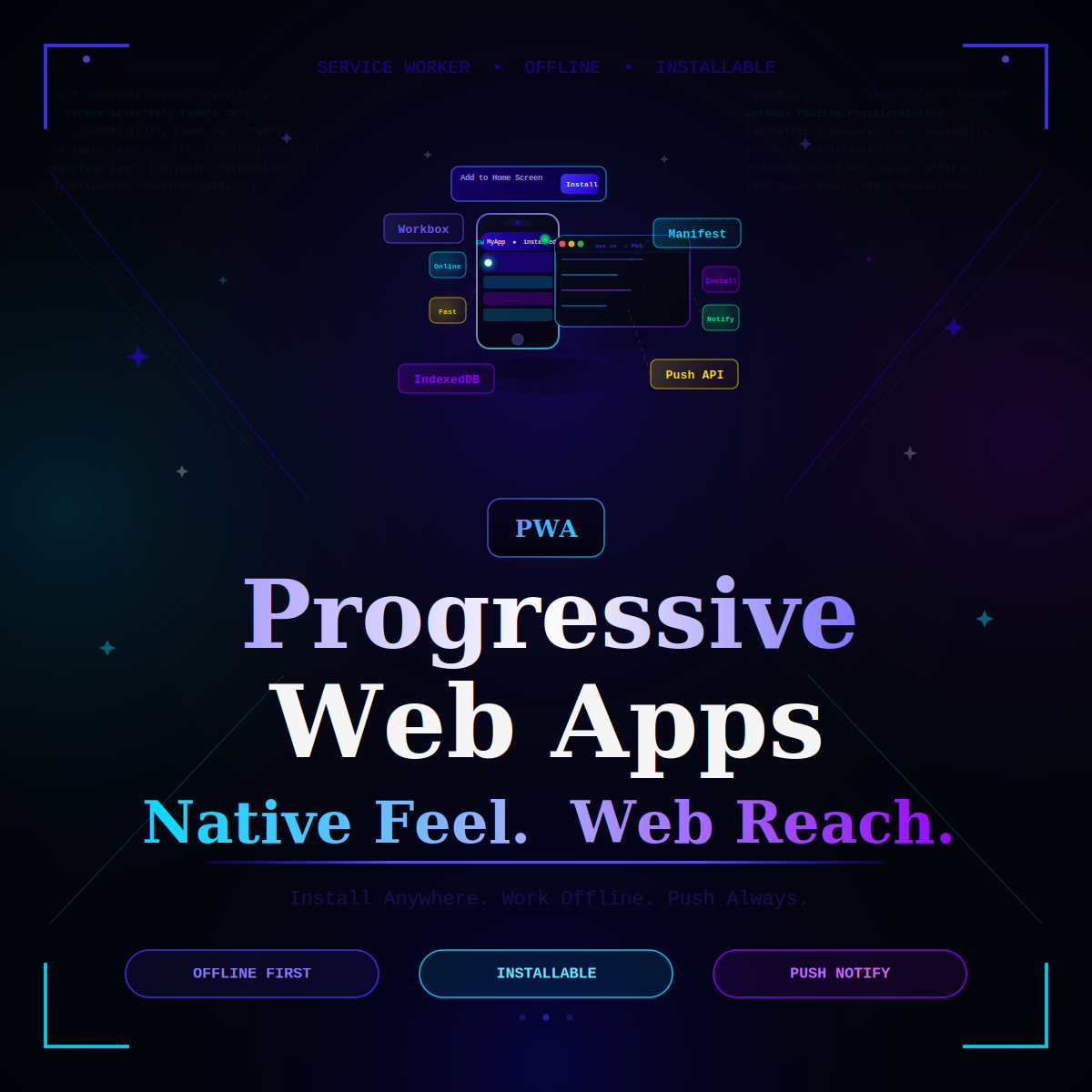
A Progressive Web App (PWA) is a high-performance web application that delivers a seamless, app-like experience directly through a browser, eliminating the need for traditional app store downloads. In 2026, PWAs have become the “gold standard” for cross-platform accessibility, utilizing Service Workers for robust offline functionality and the Web App Manifest for instant home-screen installation. By combining the vast reach of the open web with the polished feel of a native mobile app—including push notifications, biometric authentication, and lightning-fast load times—PWAs allow businesses to bypass the friction of app store approvals and high development costs while maintaining a single, unified codebase for all devices.