AI SEO (AEO & GEO)
AI SEO in 2026 represents a shift from ranking “blue links” to optimizing for the models that summarize them. It is divided into two primary disciplines: Answer Engine Optimization (AEO), which focuses on winning the direct “answer slot” in voice search and featured snippets, and Generative Engine Optimization (GEO), which ensures your brand is cited as a primary source by AI models like Gemini, ChatGPT, and Perplexity. Together, they move beyond traditional keyword matching toward semantic relevance and information gain, prioritizing content that is factual, uniquely insightful, and structured specifically for machine synthesis.
On-Page SEO (Content & HTML)
On-Page SEO is the art and science of optimizing individual web pages to be both human-friendly and machine-readable. It bridges the gap between a high-quality content strategy and the technical HTML structure that helps search engines understand a page’s context and value. In 2026, this goes far beyond simple keyword placement; it focuses on semantic relevance, ensuring that headers (H1-H6), meta descriptions, and image alt text provide a cohesive narrative that satisfies specific user intent. By aligning expert-led information with clean, structured code, on-page optimization creates a seamless experience that builds authority and secures higher rankings in an increasingly competitive digital landscape.
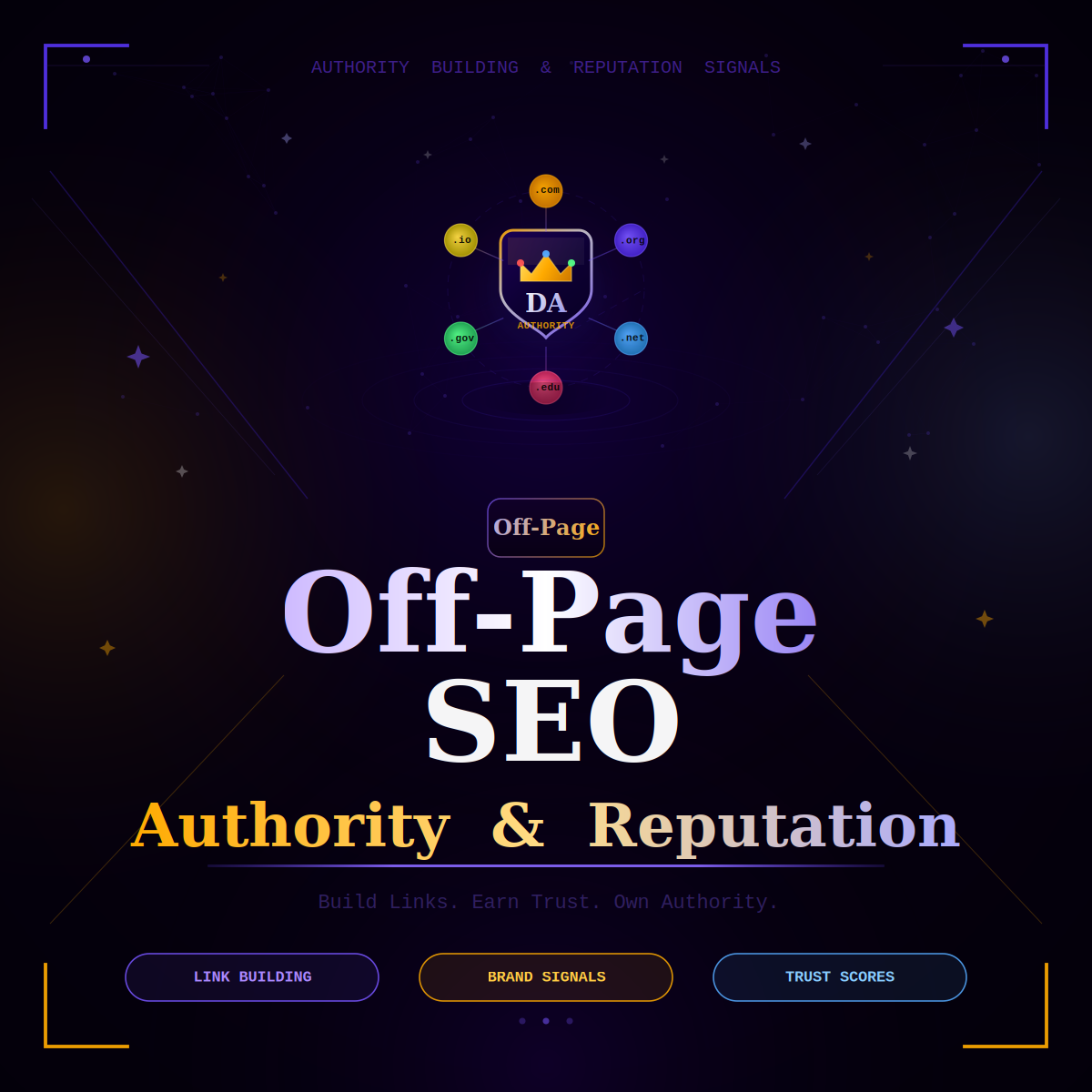
Off-Page SEO (Authority & Reputation)
Off-Page SEO is the process of building a brand’s authority and trustworthiness through actions taken outside of your own website. In 2026, it has evolved from mere link-building into a comprehensive reputation management strategy where search engines—and AI models—look for “social proof” in the form of high-quality backlinks, unlinked brand mentions, and active community engagement. Think of it as the digital equivalent of a professional recommendation; when reputable industry sites, forums, and influencers cite your expertise, it signals to algorithms that your content is a definitive source worth ranking.
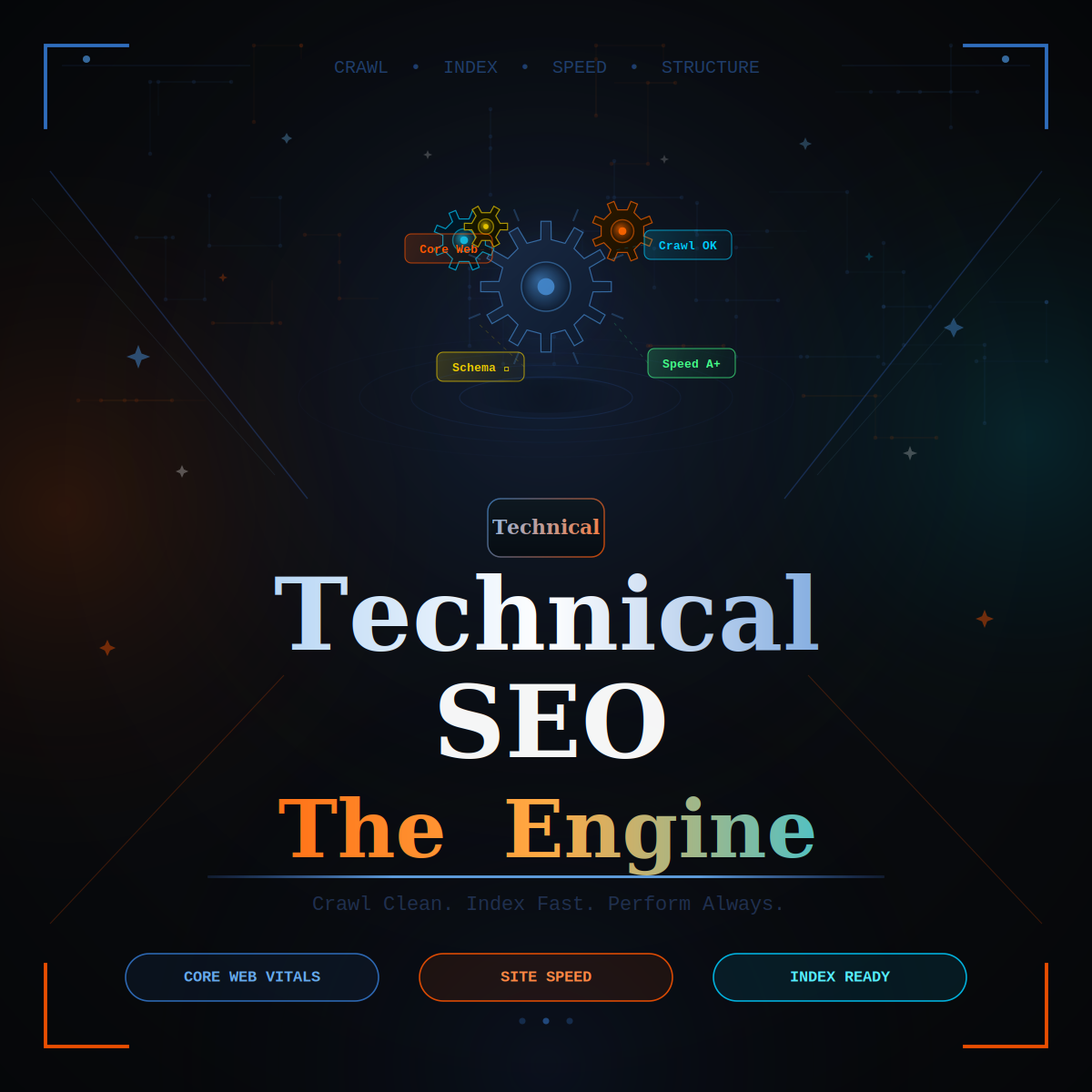
Technical SEO (The Engine)
Technical SEO is the high-performance engine under the hood of your website, ensuring that search engine spiders and AI crawlers can discover, crawl, and index your content without friction. In 2026, it has evolved beyond simple site speed into “crawling efficiency,” where every millisecond of server response time and every kilobyte of JavaScript determines your visibility. By maintaining a clean codebase, optimizing for Core Web Vitals (specifically Interaction to Next Paint), and ensuring a secure, mobile-first architecture, you provide the structural integrity needed to support your content. Without a finely tuned technical foundation, even the most brilliant marketing copy will struggle to reach the first page of search results.
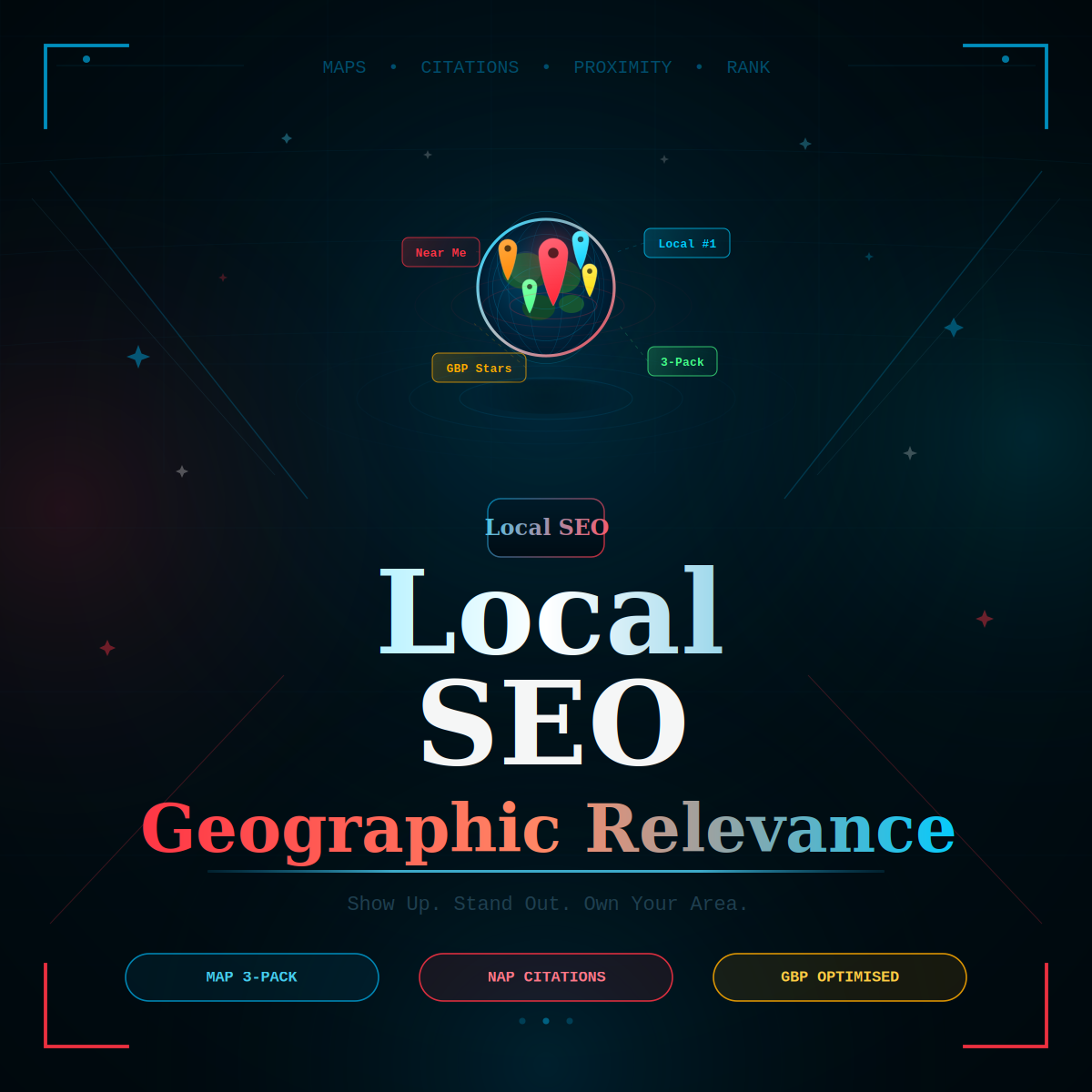
Local SEO (Geographic Relevance)
Local SEO (Geographic Relevance) is the strategic process of ensuring your business is the first choice for customers searching within a specific physical area. In 2026, this has shifted from simple “near me” keyword matching to Hyper-Local Intent, where AI models prioritize businesses with the strongest local footprint, verified reviews, and consistent “NAP” (Name, Address, Phone) data across the web. By aligning your digital presence with geographic signals—such as local landmarks, neighborhood-specific service pages, and community engagement—you transform your business into a dominant local authority that search engines confidently recommend to nearby users.
Content SEO
Content SEO is the strategic process of creating and optimizing high-value information that search engines love to rank and humans love to read. In 2026, it has moved far beyond simple keyword matching and into the realm of Information Gain—the practice of providing unique insights, data, or perspectives that don’t already exist in the top search results. By focusing on Topic Authority rather than individual keywords, you signal to AI-driven algorithms that your site is a definitive resource. It’s about more than just filling a page with words; it’s about aligning your expertise with exactly what a user is trying to solve, learn, or buy at that specific moment.